
EMSA News

Cyber Security Incident Notice to Our Patients
A Notice to Our Patients The Emergency Medical Services Authority is committed to protecting the confidentiality and security of our patients’ information. Regrettably, we recently identified and addressed a security incident that involved some of that information. On...

Safety Tips for Extreme Drop in Temperatures
January 11, 2024 - When there is a sudden drop in temperatures during the winter months, EMSA team members respond to a variety of weather-related medical emergencies across their Oklahoma service area. One of the most dangerous cold weather-related illnesses is...
EMSA Achieves 90% Priority 1 Response Time Compliance in Oklahoma City for First Time since May 2020
Oklahoma City, OK — For the first time in three and a half years, EMSA has achieved 90% Priority 1 response time compliance in Oklahoma City. 90% response time compliance is the standard EMSA is required to reach by the City of Oklahoma City’s EMS Ordinance. 9-1-1...

Oklahoma City 2023 EMSAcare Open Enrollment Begins
Oklahoma City, OK - September is EMSAcare enrollment month in Oklahoma City, when Oklahoma City residents may update their EMSAcare enrollment until September 30th. EMSAcare covers the out-of-pocket expenses for emergency ambulance transports ending at a hospital ER...
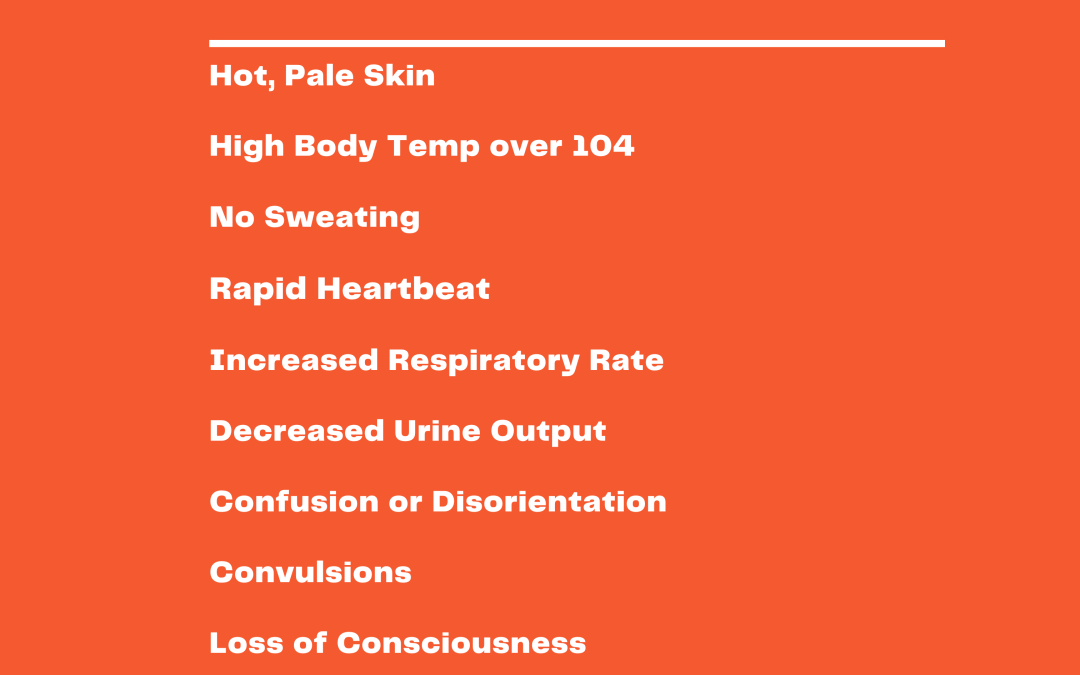
EMSA Encourages Oklahomans to Know the Signs of Heat Stroke
During a heat stroke, your body’s heat-regulating mechanisms, like sweat glands, shut down.
City of Tulsa 2023 EMSAcare Open Enrollment Begins
August 1, 2023 - Enrollment for the City of Tulsa’s EMSAcare program begins today, Tuesday, August 1, 2023. Tulsa residents can enroll online at https://www.cityoftulsa.org/apps/EMSACare or by calling the City of Tulsa Customer Care Center at 311. The program saves...

EMSA Hosts National Procession Honoring Fallen EMS Professionals
Emergency Medical Services Authority (EMSA) honored the lives of 59 fallen EMS first responders during a special ceremony.

EMSA Offers Tips to Prevent Drownings that Happen “in an Instant”
According to the Centers for Disease Control and Prevention, drowning is the leading cause of death for children between the ages of 1 and 4 years old.

EMSA Celebrates Emergency Medical Services Professionals as Stars of Life
June 5, 2023 – Emergency Medical Services Authority (EMSA) has announced the organization’s 2023 Star of Life honorees. The Star of Life program highlights individuals who have demonstrated exceptional dedication, courage and skill in emergency medical services (EMS)....
EMSA Earns 100% CAAS Reaccreditation Score
Oklahoma City (May 2, 2023) – Emergency Medical Services Authority (EMSA) received another perfect score on its reaccreditation application from the Commission on Accreditation of Ambulance Services (CAAS). The three-year CAAS reaccreditation cements EMSA’s position...